
Lead generation for photographers means building a repeatable system that turns strangers into booked sessions: ads that reach the right people, fast follow-up so inquiries don’t sit, and nurture that brings past clients back. It’s not a single tactic. It’s a marketing department working together, the reason some studios stay booked solid.
If you have ever stared at an empty calendar wondering where all the photography leads went, you are not alone. Every studio owner hits the same wall eventually. The phone rings for a few weeks, bookings feel easy, and then it goes quiet. Nobody tells you why. This is not bad luck. It is almost always a system problem, and systems can be fixed.
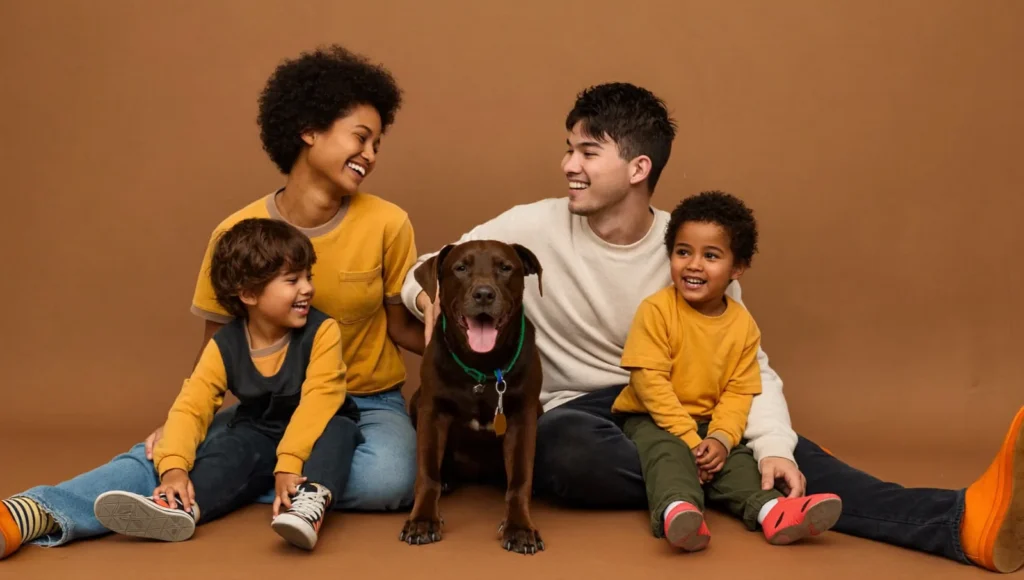
Where Photography Leads Actually Come From.
Most studios lean on the same three sources without realizing it: referrals from past clients, organic search, and whatever ads happen to be running at the time. Referrals feel great because they arrive warm and pre sold, but they are unpredictable. You cannot schedule a referral. Organic search takes time to build and rewards studios that publish real, useful content consistently. Paid ads are the only source you can actually turn up or down on demand, which is exactly why so many studios lean on them once they understand how to run them properly.
The problem is not that these sources do not work. It is that most studios only ever get one of the three working at a time, so the moment referrals slow down or an ad account gets neglected, the whole pipeline collapses. A full marketing department treats all three as one connected system, not three separate hopes.
The Real Reason Inquiries Go Cold.
Here is the part that stings a little. Most studios do not have a lead generation problem. They have a lead response problem. Someone fills out a form on a Tuesday night, gets excited, starts imagining their family or their dog in beautiful wall portraits, and then hears nothing back until Thursday afternoon. By then the excitement has faded, or worse, they have already booked with someone who answered first.
This is not a reflection on the photographer’s talent. It is a gap in the follow up system. Every studio owner is already busy shooting, editing, and running a business. Chasing inquiries by hand, in between everything else, is simply not sustainable at scale.
Speed To Lead Changes Everything.
The studios that stay consistently booked treat the first few minutes after an inquiry as sacred. A fast, warm response, even a simple automated one that feels personal, keeps the momentum alive while a human follows up properly. This is where a proper CRM and automation setup earns its keep. It is not about replacing the personal touch that makes portrait studios special. It is about making sure that personal touch actually reaches the client while they still care.
Pipelines that track every inquiry, pending reminders that nudge you before a lead goes cold, and follow up sequences that keep working overnight are the difference between a studio that feels chaotic and one that feels effortless from the client’s side, even when it is anything but effortless behind the scenes.
Turning Interest Into Booked Sessions.
Getting someone to raise their hand is only half the job. The other half is nurturing them toward a booked session fee without feeling pushy. This is where email and SMS nurture campaigns matter. A past client who has not booked in a while, a warm inquiry who went quiet, a database full of people who once loved their session but have not been reminded lately, all of these are opportunities sitting in plain sight.
Good nurture respects the booking psychology unique to portrait studios. Nobody books a session on impulse the way they buy a pair of shoes. They need to see themselves in it. They need to understand IPS pricing, wall portraits, and what the experience actually feels like. A funnel or landing page built specifically for that journey, rather than a generic contact page, does far more of the convincing for you.
None of this replaces the ad strategy that brings new eyes to your studio in the first place. It simply makes sure that every single lead those ads generate gets a fair chance to become a client, instead of leaking out through slow replies and forgotten follow ups.
A Quick Audit For Your Own Studio.
Before you spend another dollar trying to generate more inquiries, it is worth checking whether the ones you already have are being handled well. Ask yourself honestly:
- How many minutes pass, on average, before a new inquiry gets a response
- Do you know exactly how many leads you generated last month, and from where
- Is there a follow up sequence running automatically, or does it depend entirely on you remembering
- When a past client goes quiet, does anything ever reach back out to them
- Does your booking page explain the experience, or just ask for a name and email
If more than one of those questions made you wince a little, that is completely normal. It is also fixable, and usually faster than photographers expect once the right pieces are in place.
If you would rather see exactly where your own leads are leaking before committing to anything, that is precisely what Under the Hood, our photography ads audit, was built for. It is a fixed price audit, you keep the report either way, and there is no retainer attached. Don’t trust us yet? Good. That is the point.
Studio Digital works only with portrait photographers, mainly family and pet studios, because that focus is what lets us understand exactly how your leads behave, from the first inquiry through to a booked wall portrait sale. If that sounds like the kind of marketing department your studio has been missing, applications are open, by application only.
Apply NowWhy buying or renting leads doesn’t work for a luxury studio.
Marketplaces that sell photography leads treat a lead like a commodity: pay a fee, receive a name and a phone number, and hope the fit works out. For a high-volume business that math might work. For a luxury portrait studio, it rarely does, because a purchased lead arrives with no context. They did not find you through your imagery, your story, or a referral from someone who trusts you. They found you because a marketplace matched a form to a postcode. Luxury clients can tell the difference between a studio they discovered or were referred to and one that bought its way into their inbox, and the mismatch shows up later as price resistance, no shows, and sessions that never quite feel like the right client. The leads worth having are the ones covered in where real portrait studio leads come from and how to make the most of them, not the ones purchased in bulk.
The leak: what happens between ‘I’m interested’ and a booked session.
This is the part almost none of the advice on lead generation covers, because it happens after the enquiry form is submitted. A prospect fills it out, feels a flicker of excitement, and then waits. If the reply takes a day, the flicker fades. If the reply arrives but there is no next message, no nurture sequence, and no reminder, the prospect drifts back into browsing and eventually books with whoever replied first, or books nowhere at all. We cover this exact gap in what actually turns an interested enquiry into a booked session, and the short version is that the leak is rarely the lead. It is everything that should happen in the hours and days after the lead arrives and usually does not.
Lead generation for portrait photographers means bookings, not inquiries.
Ask a portrait studio owner what a lead generation for portrait photographers strategy is supposed to do, and the common answer is get more people asking about sessions. That is true as far as it goes, but it misses the part that actually matters for a luxury studio. A lead is not valuable because it exists. It is valuable because it becomes a booked session at your real session fee, sits through IPS, and orders a wall portrait. Everything else is a number in a spreadsheet. If you have run ads before and ended up with a phone full of inquiries that never booked, that is not evidence that lead generation for portrait photographers does not work. It is evidence that the wrong thing was being measured.
The common tactics, referrals, local SEO, social posts, giveaways, an email opt-in freebie, all generate some volume of leads. They can fill an inbox. For a studio charging real prices, most of that volume is tire-kickers: people comparing you to a budget mini session down the road, not people ready to invest in a proper collection. More leads from the wrong channel is not progress. It is more unqualified conversations taking time away from the studio, and it is the reason a busy inbox and a fully booked calendar are two different things.
That gap between inquiries and bookings is exactly what we cover in turning inquiries into booked sessions and in what a real photography lead looks like: the difference between a lead that costs you time and a lead that turns into revenue.
How much to pay for lead generation?.
You will not find a retainer figure published here, and that is deliberate. You do not put your wall portrait prices in your Instagram bio. Neither do we. Investment gets quoted after we have seen your studio, your market and your goals, on a call, because what a growing studio needs and what an established studio needs are rarely the same plan, and one flat number on a page would be dishonest about that.
This is built for studio owners investing seriously in growth. If you are only shopping for the cheapest option, we will not be the right fit, and that is fine. If that uncertainty is uncomfortable and you have been burned by a vague quote before, there is one number on this site: Under the Hood is a fixed price, $1,000 audit of your ads, funnel, CRM and follow-up, with no retainer attached. You keep the report either way.
The other number worth knowing is your own cost per lead. Our photography cost per lead calculator shows how many leads, and how much monthly ad spend, it takes to book the sessions you want at your average sale.